The Art of Slowing Down
Finding space for rest, reflection and connection in the quieter season.
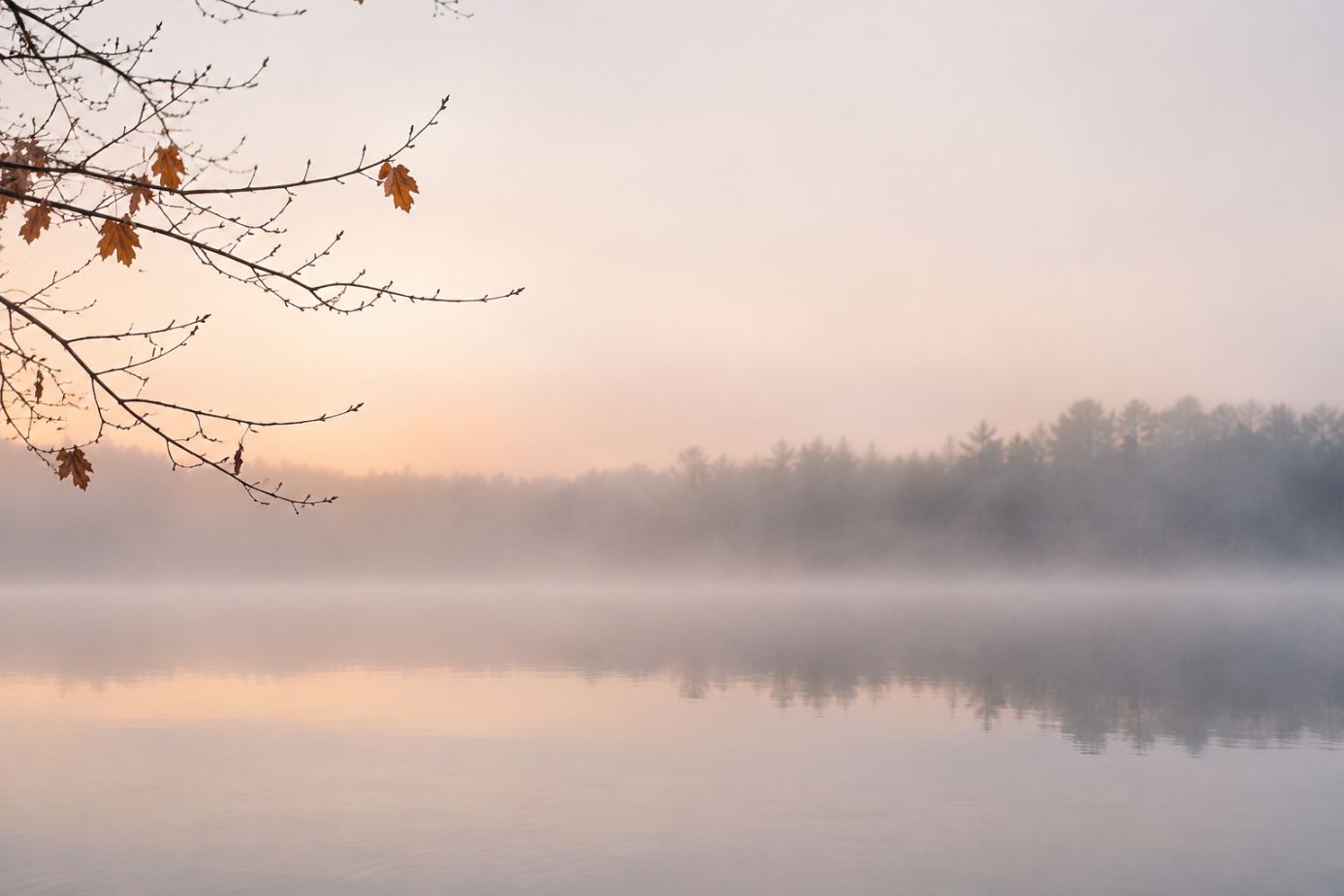
By late November in New England, the landscape begins to feel different. Bare trees reveal views that have been hidden all summer, the light fades earlier, and familiar places take on a quieter character.
Yet this natural transition into winter often coincides with one of the busiest times of the year. Between holiday plans, everyday responsibilities and thoughts about the year ahead, there can be surprisingly little room to notice the season itself.
Slowing down can mean allowing a little more space between the things that already make up the season.
Rest Without a Purpose
Much of modern life revolves around doing, planning and moving toward something. Even rest can become another activity with a purpose, whether that’s sleeping better, improving focus or preparing for a productive week.
But there are afternoons when a nap offers only sleep or a walk is simply time spent outside. Those hours are worth having, regardless of what they make possible afterward.
There’s also a difference between being left alone and being relieved of responsibility. A person can have a quiet house and still be listening for the phone. The same hour feels different when someone else has agreed to take the call and handle whatever comes up.
Finding time to rest is one part of it. The conditions that allow for rest matter, too.
Honoring the Rhythm of the Season
Seasonal transitions have long held significance across different cultures and spiritual traditions. The winter solstice marks the longest night of the year in the Northern Hemisphere. Ways of observing it include gatherings, storytelling, candle lighting and reflection.
Contemporary seasonal ceremonies offer time to acknowledge the transition, reflect on what has passed and consider what lies ahead. A ritual can be as simple as setting aside time to recognize a change that might otherwise go unnoticed.
Finding Stillness Together
The way an intentional gathering is designed can influence how it feels to participate.
At a silent retreat, the quiet may continue between sessions of guided meditation, removing the usual expectation of conversation. In a sharing circle, knowing that speaking is optional can make it easier to listen.
Both arrangements give people a clear sense of what’s expected of them. There can be relief in knowing that listening or sitting quietly is part of taking part.
Some people settle into stillness through gentle movement, listening to sound or spending time outdoors. Others find it more easily in the company of people they feel comfortable with.
A Different Kind of Quiet
There are stretches of winter when quiet is easy to come by and company is what’s missing. After several evenings alone, the sound of another person in the kitchen may feel more restful than having the house to oneself.
There are also evenings when the most comfortable part of being together comes after the conversation has slowed. Someone stays a little longer, and there’s no particular reason to get up yet.
Explore related events
View all events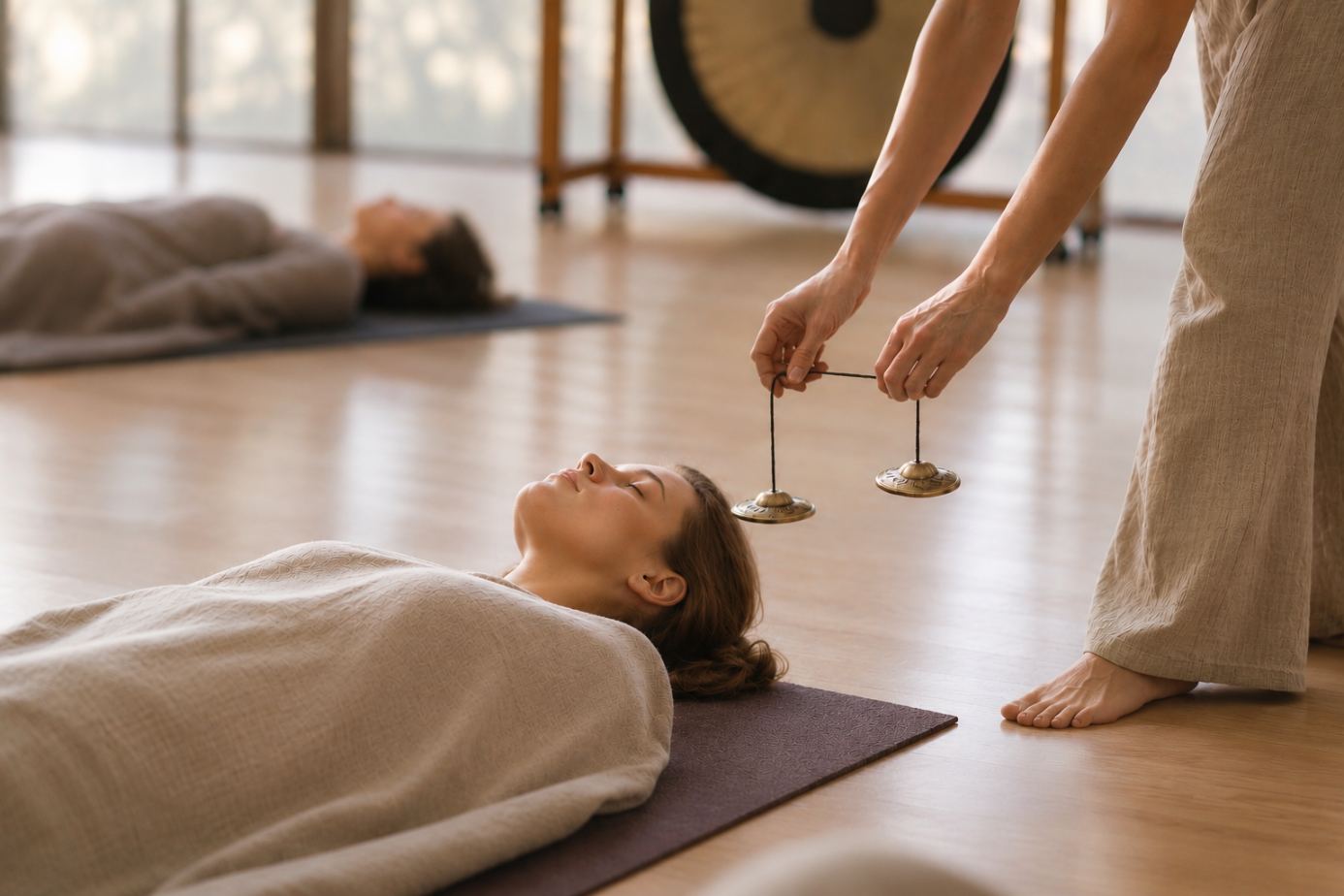
Rest Before Renewal: A Cacao, Yoga Nidra & Sound Experience
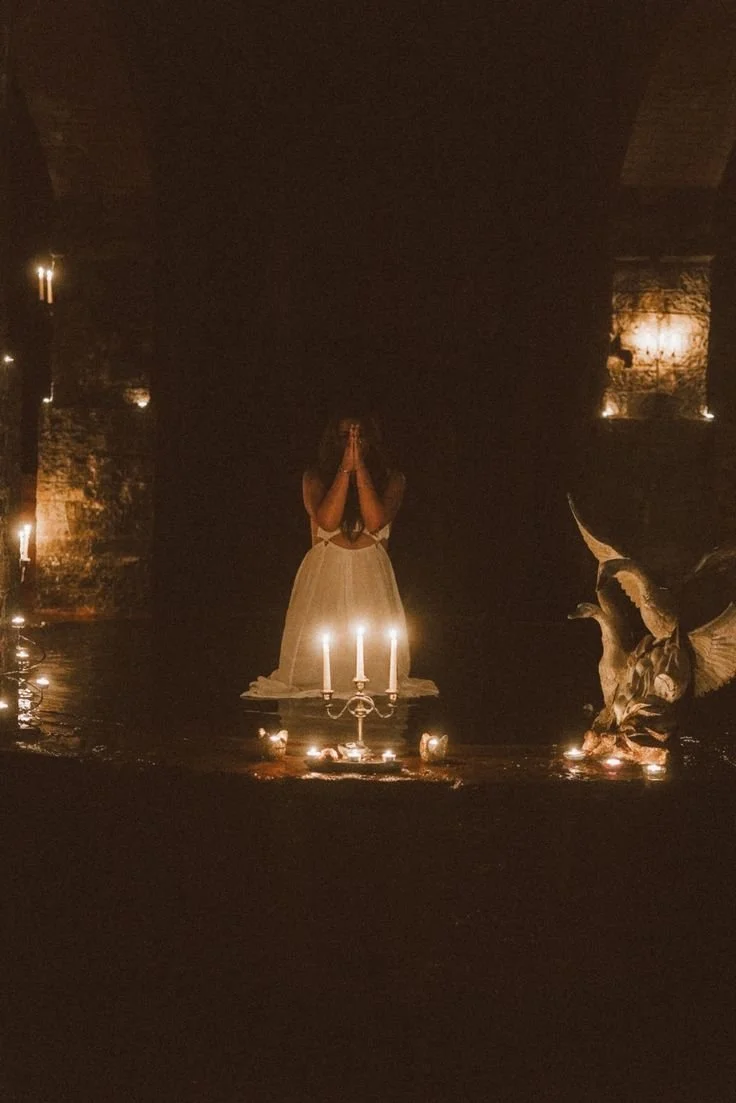
Winter Solstice Ceremony | The Sacred Pause