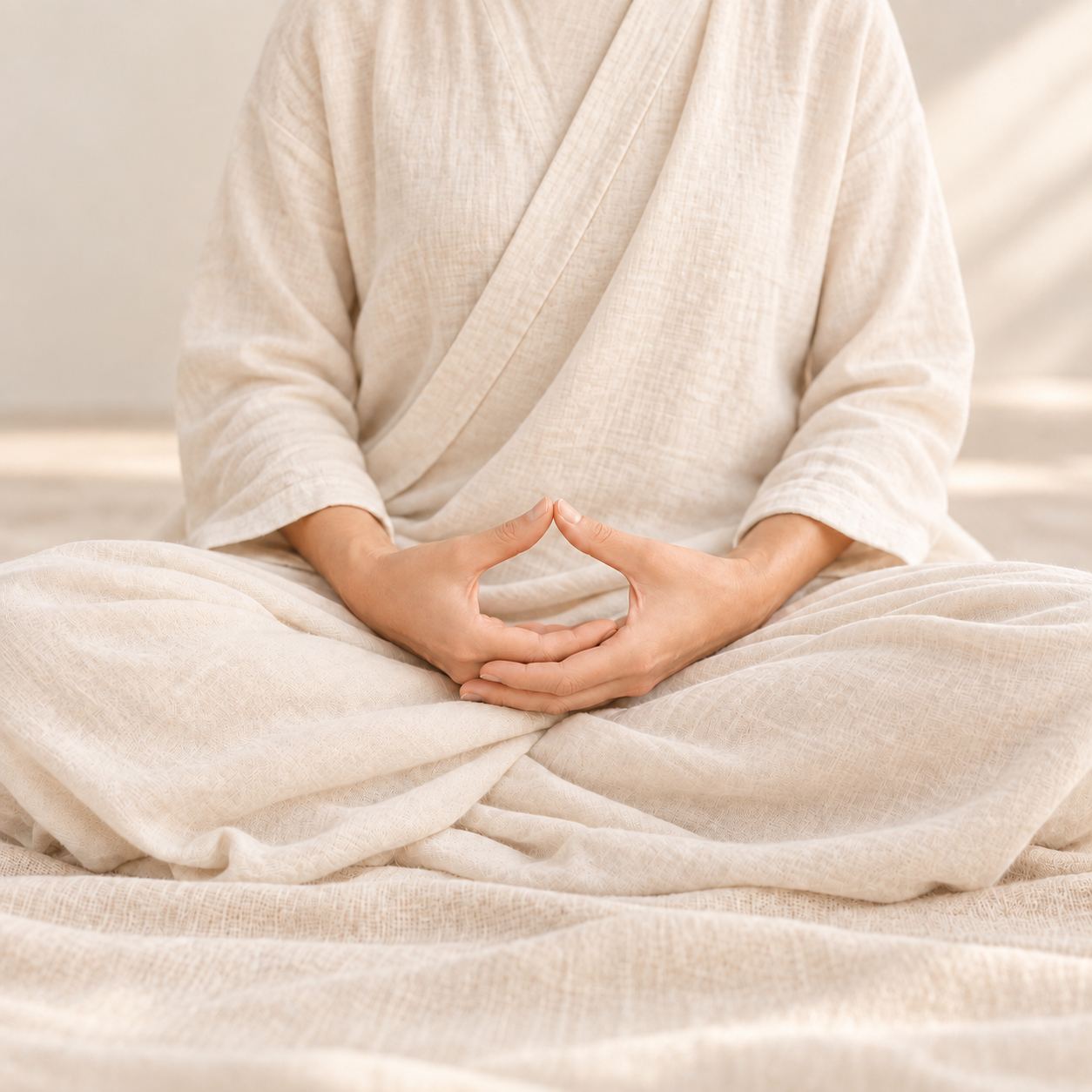
Your First Retreat: What to Expect and How to Prepare
The word "retreat" means to withdraw – and that's exactly what a wellness retreat offers: a conscious, intentional step back from the pace and noise of daily life. Whether it's a weekend yoga retreat in the countryside, a week-long meditation immersion, or a multi-day healing journey, retreats offer something that's increasingly rare: uninterrupted time and space for you.
If you've been curious about attending a retreat but feel unsure about what to expect, you're in good company. Most people feel a mix of excitement and nervousness before their first retreat. This guide will help you navigate both.
What Is a Retreat?
At its simplest, a retreat is a structured period of time – usually two to seven days – spent in a dedicated space, away from your normal environment, engaging in practices that support your physical, emotional, or spiritual wellbeing.
Retreats come in many forms: yoga and meditation retreats, silent retreats, healing arts retreats (incorporating modalities like Reiki, sound healing, or breathwork), creative retreats (writing, art, music), nature-based retreats, and combination retreats that blend several modalities.
What they all share is intentionality. Unlike a vacation (which is about leisure and pleasure), a retreat is designed to support inner work – whether that's rest, healing, self-discovery, or skill-building.
What to Expect
While every retreat is different, here are some common elements:
Arrival and orientation. You'll check in, meet other participants, and get oriented to the space and schedule. This is often the most nerve-wracking part – it gets easier quickly.
Daily structure. Most retreats follow a rhythm: morning practice, meals, afternoon sessions, evening activities, and free time. The schedule might feel full or spacious, depending on the retreat's intention.
Shared meals. Food is often a central part of the retreat experience. Many retreats serve plant-based, organic, or Ayurvedic meals prepared with care and intention.
Group and solo time. Expect a mix of group activities, partner exercises, and solo reflection. Most retreats create space for both connection and solitude.
Technology boundaries. Many retreats encourage or require limited phone and screen use. This can feel uncomfortable at first – and then deeply liberating.
Closing circle. Retreats typically end with a gathering where participants reflect on their experience and say goodbye. This is often one of the most moving parts.
Who Are Retreats For?
Retreats are for anyone who feels ready for a pause. You don't need to be experienced in meditation, yoga, or any other practice. Many retreats welcome complete beginners, and facilitators are skilled at creating safe, inclusive environments.
Retreats are especially valuable for people experiencing burnout or chronic stress, those navigating life transitions (career changes, relationship shifts, grief), anyone wanting to deepen their existing practice, and people seeking community with like-minded individuals.
A word about introversion: If the idea of being with a group of strangers for days feels overwhelming, know that most retreats are designed with plenty of alone time built in. You're never required to share more than you're comfortable with. Many introverts find retreats deeply nourishing precisely because the social expectations are different – deeper and quieter than everyday life.
How to Choose Your First Retreat
Start with your intention. What are you seeking? Rest? Healing? Adventure? Community? Skill-building? Let this guide your search.
Consider the length. A weekend retreat (two to three nights) is a great starting point. It's long enough to settle in but not so long that it feels like a huge commitment.
Read about the facilitators. Their training, experience, and approach matter enormously. Look for practitioners whose style resonates with you.
Check the logistics. Location, accommodation, meals, cost, cancellation policy, physical accessibility. Make sure the practical details work for you.
Trust your instinct. If a retreat description makes you feel excited – even if it also makes you nervous – that's usually a good sign.
Preparing for Your Retreat
Pack simply. Comfortable clothes, layers, a journal, and any personal items that bring you comfort. Most retreats provide everything else you need.
Tie up loose ends. Handle work and personal responsibilities before you go so you can truly let go during the retreat.
Set an intention. Not a rigid goal, but a gentle direction. "I want to rest." "I want to listen to my body." "I want to be open."
Let go of expectations. Your retreat experience will be your own. It might not match what you've seen on Instagram. It might be gentler, stranger, more emotional, or more ordinary than you imagined. All of that is okay.
Explore retreat offerings on Estara's events page and discover spaces that host transformative retreat experiences. Your first retreat might just be the beginning of a beautiful new chapter.