What Is Sound Healing? Understanding Sound Baths and Vibrational Therapy
There's a reason that the sound of ocean waves, rainfall, or a low hum can make you feel instantly calmer. Sound has been used as a healing tool across cultures for thousands of years – from Tibetan singing bowls to Aboriginal didgeridoos to Gregorian chant. Today, sound healing is experiencing a beautiful resurgence, and sound baths have become one of the most popular entry points into the world of holistic wellness.
What Is Sound Healing?
Sound healing is a broad term for any practice that uses sound vibrations to improve physical, emotional, or mental wellbeing. The core idea is simple: everything in the universe vibrates at a frequency, including every cell in your body. When we're stressed, in pain, or emotionally blocked, those vibrations can become dissonant. Sound healing works by introducing harmonious frequencies that help your body recalibrate.
A sound bath is the most common form you'll encounter. Despite the name, there's no water involved. You "bathe" in sound – lying down while a practitioner plays instruments like crystal singing bowls, Tibetan metal bowls, gongs, chimes, drums, or tuning forks. The sound washes over you, and many people find themselves drifting into a deeply meditative state without any effort.
How Does It Work?
You don't need to understand the physics to benefit from sound healing, but here's the essence: certain frequencies and rhythms can shift your brainwave state. During a sound bath, your brain is gently guided from active beta waves (your normal waking state) into alpha and theta waves – the states associated with deep relaxation, meditation, and even light sleep.
This isn't metaphor. EEG studies have shown measurable shifts in brain activity during sound healing sessions. Your nervous system moves from sympathetic (fight-or-flight) into parasympathetic (rest-and-digest) mode. Heart rate slows, breathing deepens, muscle tension releases.
Many people report feeling a physical sensation of vibration moving through their body – a gentle buzzing or warmth. Others describe emotional releases: unexpected tears, memories surfacing, or a profound sense of peace.
What to Expect at Your First Sound Bath
Sound baths are usually group experiences, though private sessions exist too. Here's the typical flow:
You'll enter a calm space and find a spot on the floor. Most venues provide yoga mats, blankets, and bolsters. Wear comfortable, warm layers – your body temperature tends to drop as you relax.
The facilitator will guide you into a comfortable position (lying on your back is most common) and may lead a brief grounding meditation or breathwork to help you settle in. Then the sound begins.
Sessions usually last 45 to 75 minutes. There's nothing you need to "do" – no meditating technique to master, no poses to hold. Just lie there and let the sound do the work. It's perfectly normal to fall asleep.
Afterward, the facilitator will gently bring you back. Many people feel deeply rested, almost like waking from a nap. Some feel emotionally tender. Drink water and give yourself a few quiet minutes before jumping back into your day.
Who Is Sound Healing For?
Sound baths are incredibly accessible. You don't need any experience with meditation, yoga, or healing work. You don't need to sit still in silence (the sound does the focusing for you). You don't need to believe in anything particular.
They're especially wonderful for people who struggle with traditional meditation, anyone dealing with stress or insomnia, those processing grief or emotional transitions, and anyone who simply wants to experience something beautiful and restorative.
A note for the sound-sensitive: If you're highly sensitive to loud or sudden sounds, let the facilitator know beforehand. Most practitioners are happy to adjust, and you can always position yourself farther from the instruments.
Getting Started
Look for a local sound bath through events on Estara or explore spaces that offer regular sound healing sessions. Many studios offer beginner-friendly group sessions at accessible price points.
Come with an open mind and zero expectations. The beauty of sound healing is that it asks nothing of you except to show up and listen.
Explore related events
View all events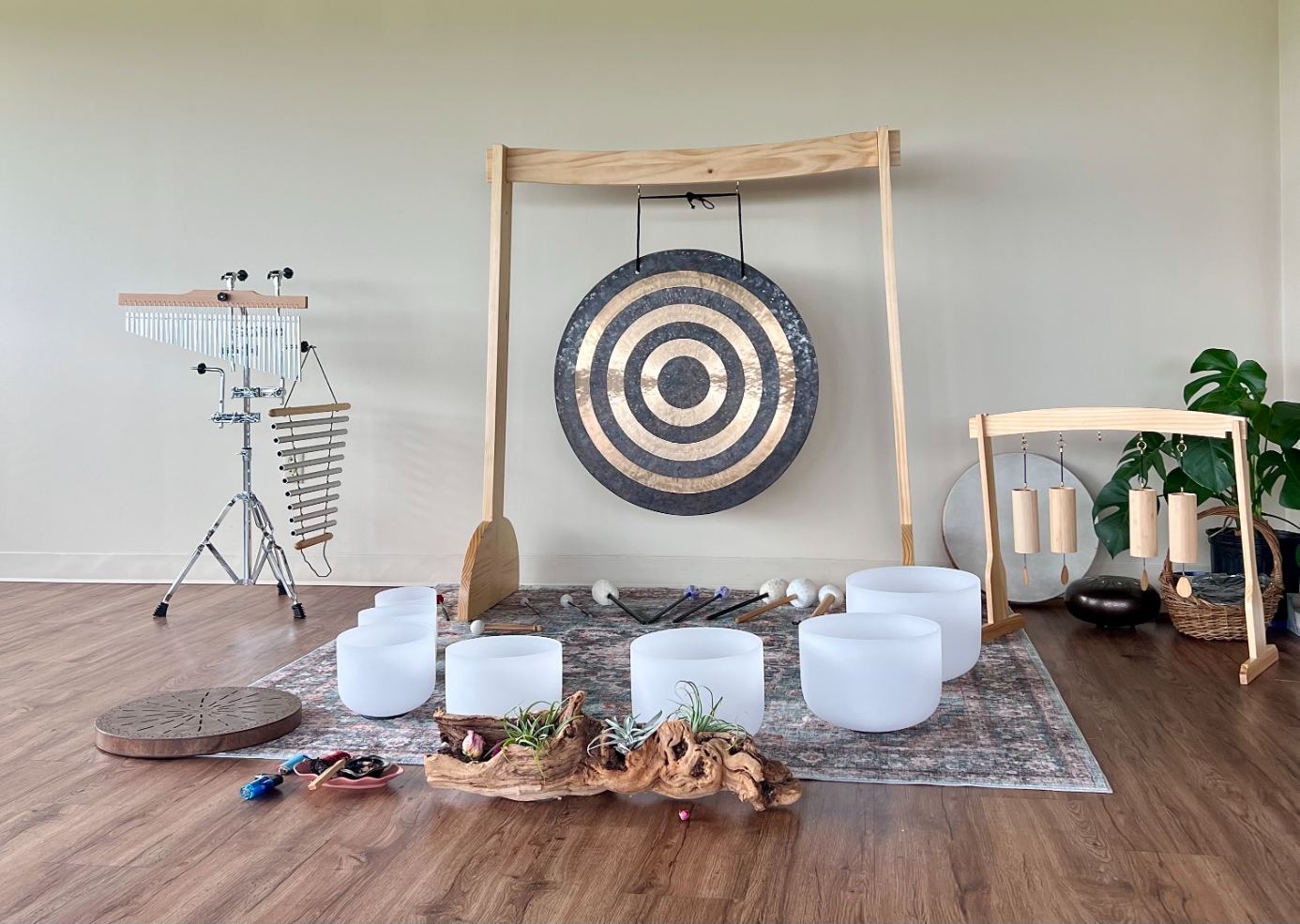
Ether & Earth Sound Bath with Sound of the Soul

The Medicine Within Your Voice