An Introduction to Shamanic Practices: Ancient Wisdom for Modern Seekers
Shamanism is arguably the world's oldest spiritual and healing tradition. Archaeological evidence suggests that shamanic practices existed at least 30,000 years ago, and variations are found in indigenous cultures across every inhabited continent. Today, elements of these traditions are being thoughtfully adapted and offered in contemporary healing contexts.
Before we go further, an important note: shamanic practices come from specific indigenous lineages and cultures. As interest grows in the modern wellness world, it's essential to approach these traditions with deep respect, cultural sensitivity, and an awareness of the difference between learning from a tradition and appropriating it.
What Is Shamanism?
At its essence, shamanism is based on the belief that everything in the natural world is alive and interconnected – plants, animals, stones, water, stars, and humans are all part of a living web of consciousness. A shaman is someone who has been trained (often through rigorous apprenticeship) to navigate between the ordinary world and the spirit world, facilitating healing, guidance, and balance.
In traditional contexts, shamans serve as healers, counselors, ceremonialists, and intermediaries between the human and spirit realms. In contemporary settings, practitioners trained in shamanic techniques offer practices that draw on this lineage while adapting to modern contexts.
Common Shamanic Practices You Might Encounter
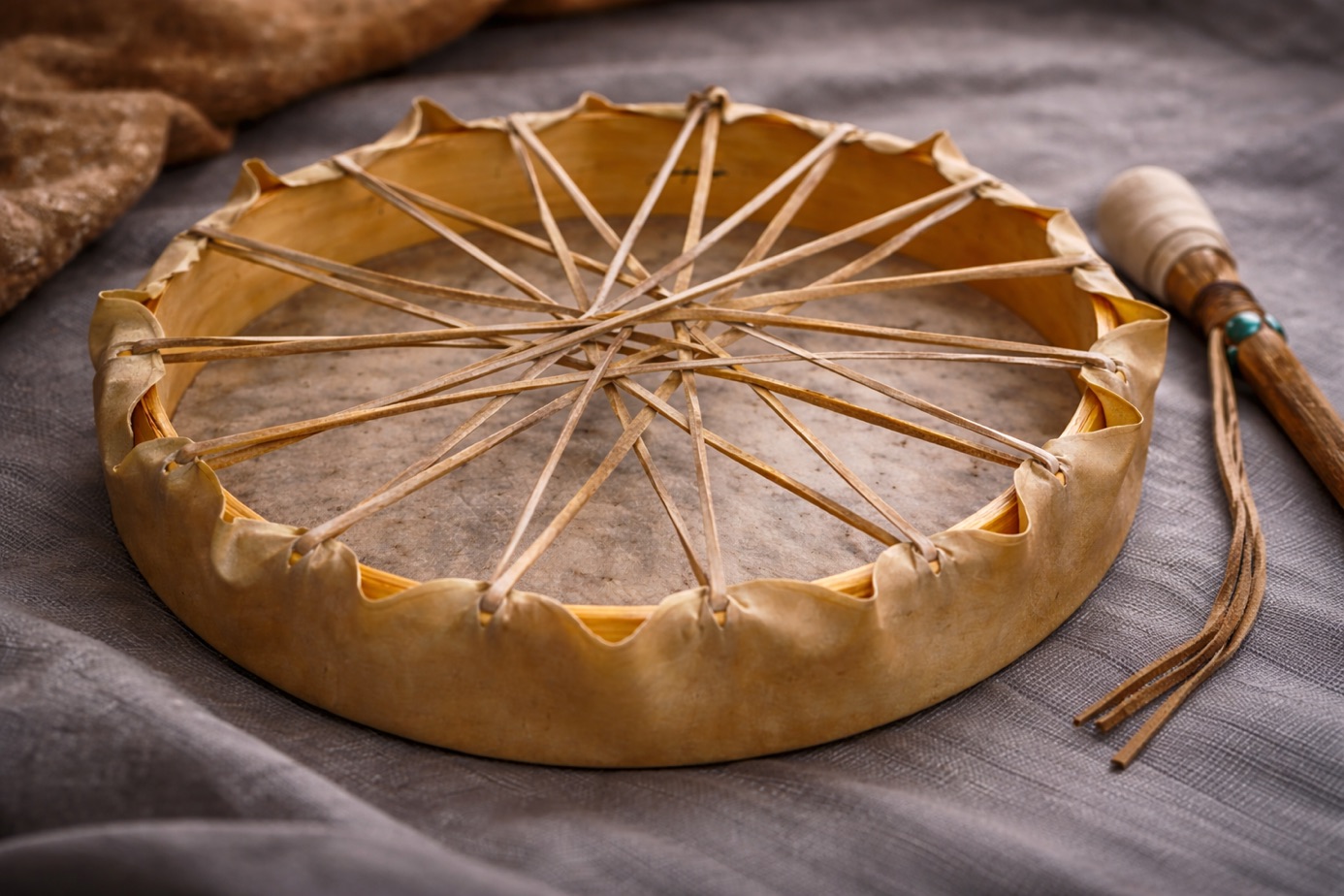
Shamanic Journeying – Using rhythmic drumming or rattling to enter a meditative state and access inner wisdom. Participants are guided to explore their "inner landscape" and may encounter animal guides, ancestors, or symbolic imagery.
Soul Retrieval – Based on the understanding that traumatic experiences can cause parts of our essential self to "split off." A practitioner journeys on your behalf to retrieve and reintegrate those parts.
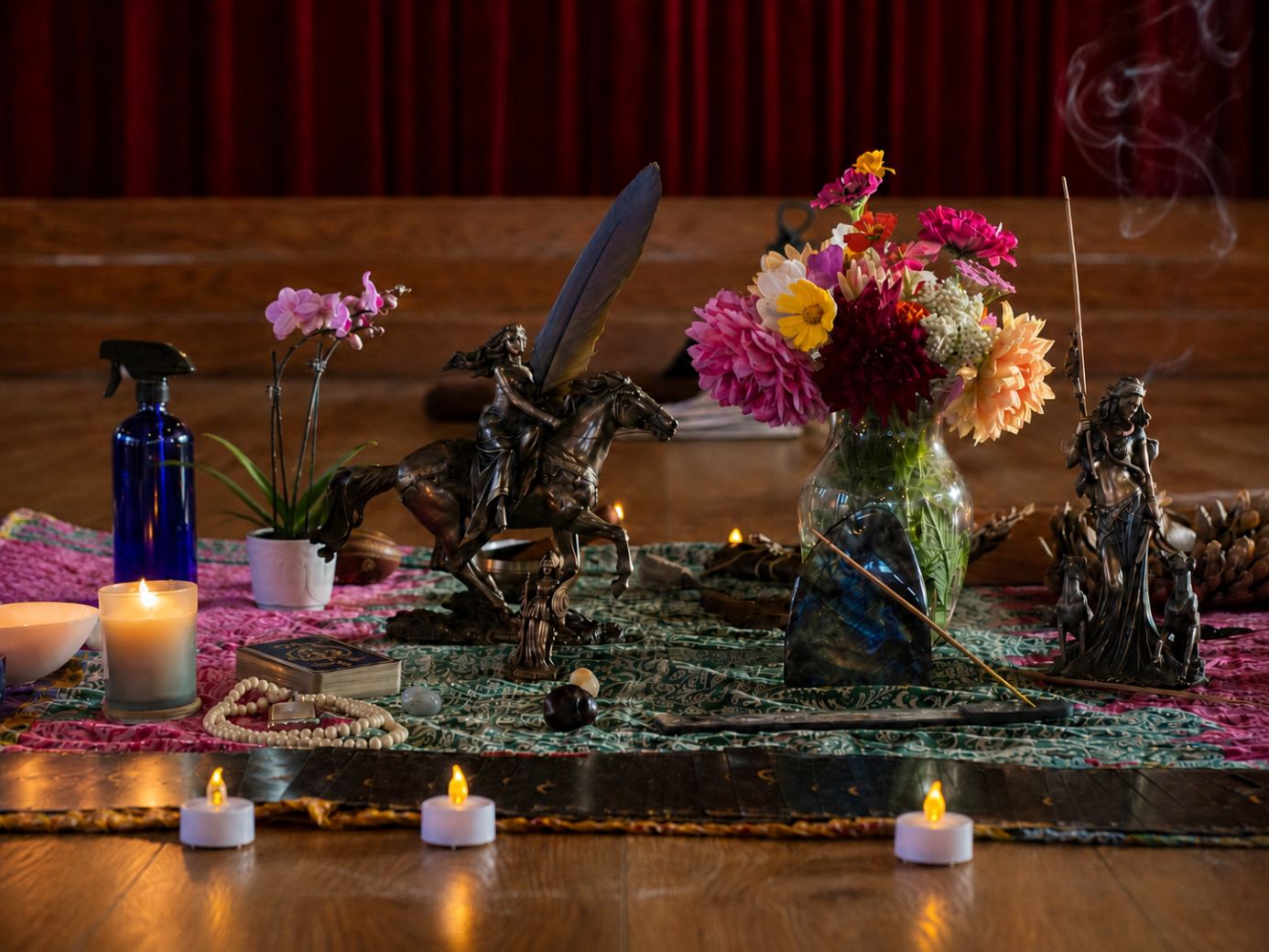
Energy Clearing – Working with the body's energy field to remove blockages, stagnant energy, or attachments. Often involves feathers, smoke (such as sage or palo santo), crystals, or sound.
Plant Medicine Ceremonies – Working with sacred plant allies in ceremonial contexts. This includes ayahuasca, peyote, and San Pedro ceremonies, which come from specific indigenous lineages and should only be experienced with properly trained, lineage-holding facilitators.
Fire Ceremony – A ritual of release and transformation using fire as a sacred element. Participants might write intentions or what they wish to release on paper and offer them to the flames.
What to Expect
Shamanic sessions vary enormously depending on the practitioner and the specific tradition they work within. In general, expect a slower pace than you might be used to. These practices are deeply rooted in presence, reverence, and connection to the natural world.
Many contemporary shamanic practitioners offer individual healing sessions, group ceremonies and circles, workshops and training programs, and nature-based retreats.
A session might involve lying down while a practitioner works with drums, rattles, feathers, or their hands. You might be guided through a visualization or journey. There may be periods of silence, song, or prayer.
Who Is This For?
Shamanic practices can be meaningful for anyone who feels drawn to nature-based spirituality, those seeking healing approaches that address the whole person – body, mind, and spirit, people interested in connecting with ancestral wisdom, and anyone exploring questions of meaning, purpose, and belonging.
Important considerations: Approach with respect and discernment. Ask practitioners about their training and lineage. Be wary of anyone claiming to be a shaman without substantial training – in traditional cultures, this title is earned through years of apprenticeship.
If plant medicine ceremonies interest you, do thorough research. These are powerful experiences that require safe, ethical, well-trained facilitation and are not appropriate for everyone.
Getting Started
Begin by exploring practitioners and spaces on Estara that offer shamanic work. Attend an introductory workshop or drumming circle before committing to deeper work. Read about the specific tradition that calls to you.
And most importantly, approach with humility and an open heart. These are ancient, living traditions that have sustained human communities for millennia. When engaged with respect, they have profound gifts to offer.