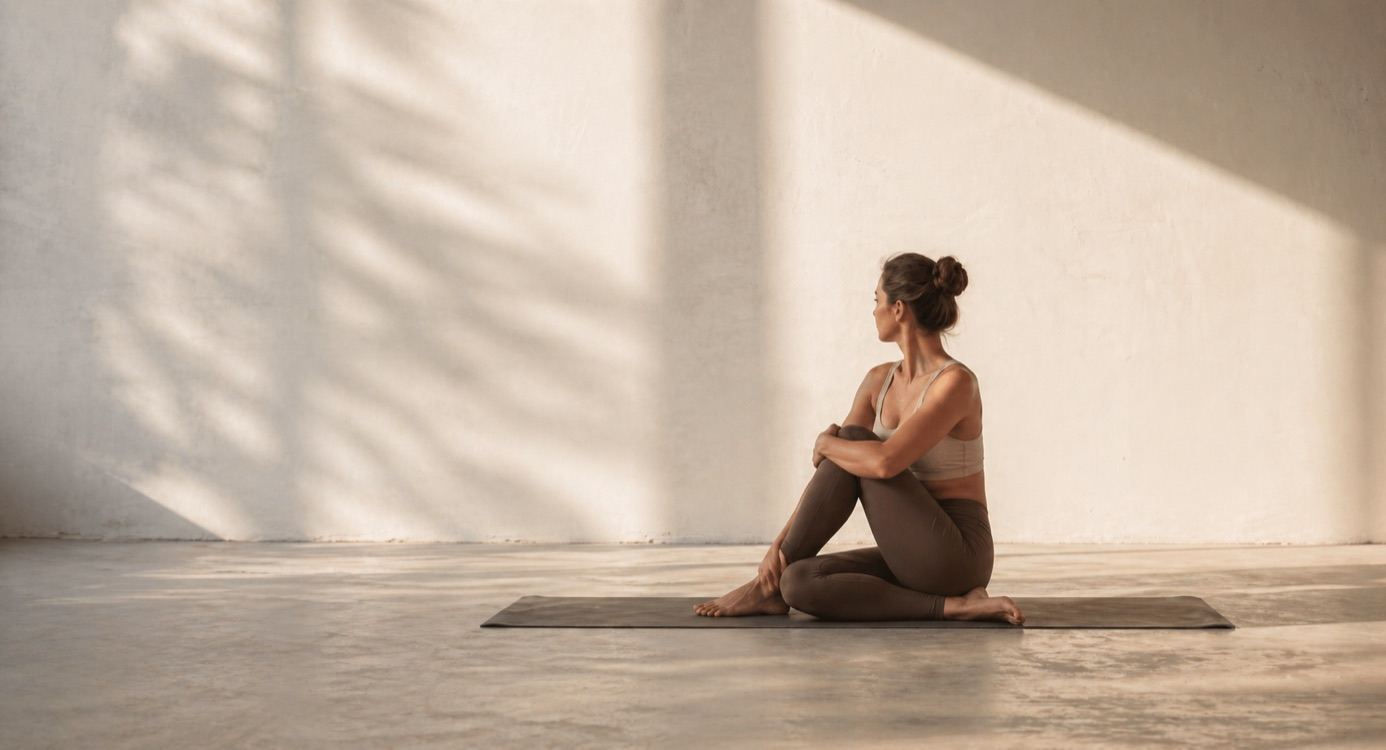
Movement Practices: From Gentle Yoga to Ecstatic Dance
When most people think of movement, they think of exercise – something you do to burn calories, build strength, or improve cardiovascular health. But in the world of intentional wellness, movement means something different. It's a practice of coming home to your body.
From the precise alignment of yoga to the uninhibited expression of ecstatic dance, movement practices offer a spectrum of ways to reconnect with the physical self. And you don't need to be flexible, coordinated, or "good at dancing" to begin.
What Are Intentional Movement Practices?
Intentional movement practices are forms of physical expression done with awareness and purpose. Unlike a fitness class where the goal is a certain number of reps or a target heart rate, these practices prioritize presence, sensation, and inner experience over external achievement.
The spectrum is broad:
Structured practices like yoga, tai chi, and qi gong follow specific forms, sequences, or postures. They offer a container – a set of movements you can learn and repeat – that helps quiet the mind and develop body awareness over time.
Semi-structured practices like somatic movement, authentic movement, and conscious dance offer some guidance while leaving room for personal expression. A facilitator might offer prompts or themes, but your body decides how to respond.
Freeform practices like ecstatic dance and 5Rhythms remove structure almost entirely. There's music, a shared space, and an invitation to move however your body wants. No choreography, no instruction, no wrong way to do it.
What Does "Embodied" or "Somatic" Mean?
You'll hear these words a lot in movement spaces. "Somatic" comes from the Greek soma, meaning "the living body." Somatic or embodied practices are those that emphasize internal physical experience – how things feel from the inside – rather than how they look from the outside.
This is a significant shift from how most of us relate to our bodies. We're taught to evaluate our bodies visually: how they look in the mirror, whether they match certain standards. Embodied movement invites you to feel your body instead – to notice sensation, tension, pleasure, and impulse without judgment.
Benefits Beyond Fitness
While movement practices certainly support physical health, their deeper gifts are often emotional and psychological:
Stress release: The body stores tension, emotion, and trauma. Movement – especially unstructured movement – can help release what's been held. Many people report feeling lighter, calmer, or emotionally clearer after a movement session.
Nervous system regulation: Gentle, rhythmic movement (like slow yoga or qi gong) can activate the parasympathetic nervous system, helping you shift from fight-or-flight into rest-and-digest mode. This is why these practices often feel so deeply relaxing.
Emotional expression: Sometimes what we feel doesn't have words. Movement gives those feelings a channel. Dancing out grief, shaking off anxiety, stretching into joy – the body knows how to process what the mind cannot always articulate.
Presence and mindfulness: When you're truly in your body, you're in the present moment. Movement practices are a form of meditation – one that doesn't require sitting still.
How to Choose What's Right for You
If you're new to intentional movement, consider what you're drawn to:
If you like structure and learning: Start with yoga, tai chi, or qi gong. These practices offer clear forms you can study and improve at, which can feel grounding and accessible for beginners.
If you're curious but self-conscious: Look for beginner-friendly classes or workshops that emphasize "no experience necessary." Many conscious movement classes explicitly welcome all body types and ability levels.
If you want to let loose: Ecstatic dance might be your entry point. Most ecstatic dance events have a "no talking on the dance floor" agreement, which removes social pressure and lets you focus entirely on how it feels to move.
If you're processing something: Somatic practices and authentic movement are designed to help you connect with and release stored experience. These are especially powerful if you're navigating grief, transition, or healing.
What to Expect at Your First Session
Wear comfortable clothing that allows you to move freely. Layers are helpful since body temperature can change throughout a session.
There's no "right" way to move. In most intentional movement spaces, the emphasis is on your inner experience, not performance. No one is watching you (everyone is focused on their own practice).
You can always rest. In yoga, there's child's pose. In ecstatic dance, you can sit on the side. In any well-held movement space, pausing is always welcome.
Emotions might surface. Movement can unlock stored feelings. If tears come, if laughter comes, if nothing comes – it's all welcome. This is your body communicating.
Stay hydrated and go easy on yourself. Especially with more vigorous practices, drink water and honor your limits. There's no prize for pushing through pain.
Ready to move? Browse spaces and events on Estara that offer yoga, ecstatic dance, qi gong, and other movement practices near you.