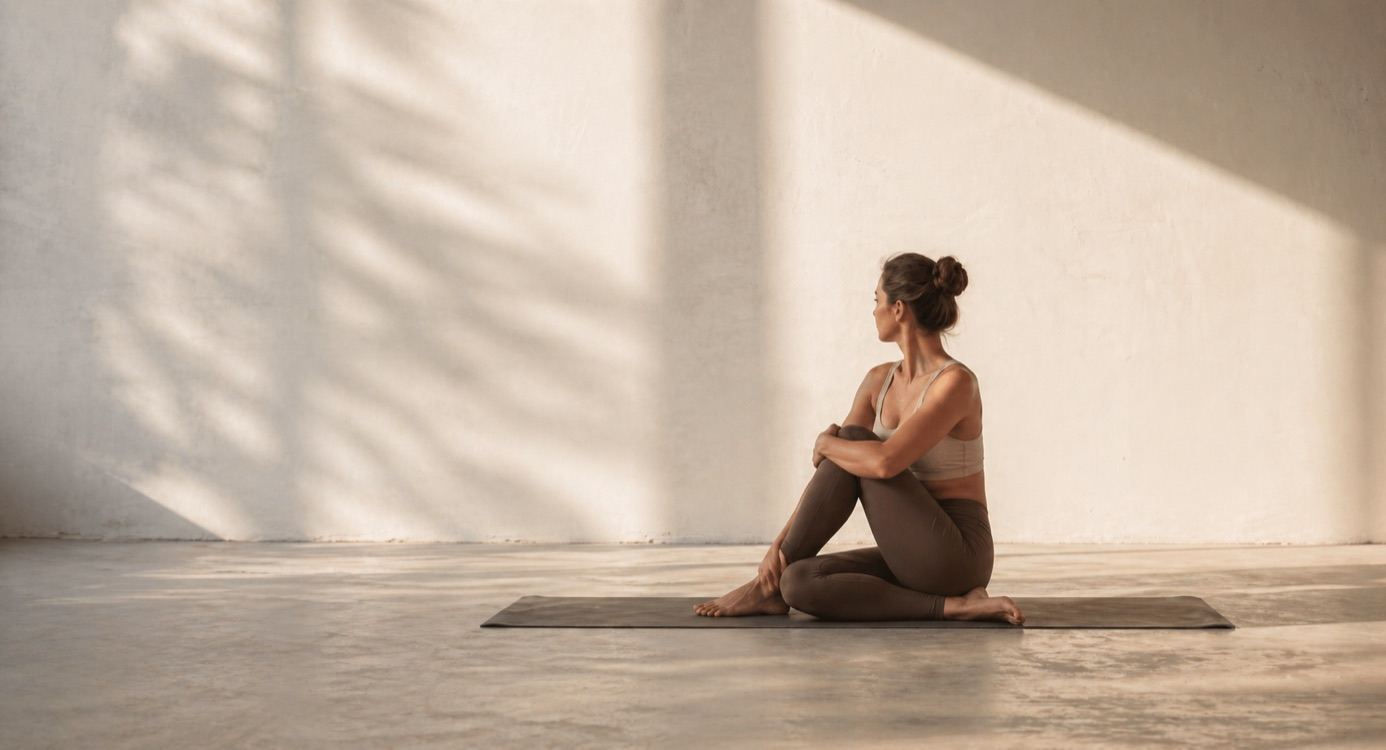
Hatha, Vinyasa, Yin, Restorative: What Each Yoga Style Feels Like
Yoga can look many different ways from the outside, which is exactly why beginners often feel unsure where to start. One class seems intense and fast. Another sounds quiet and reflective. Another promises deep rest.
If you're curious but don't want to pick the "wrong" class, you're not alone. The good news is that there usually isn't one perfect style. There is simply a good match for your current season, energy, and intention.
What Is Yoga, Really?
At its heart, yoga is a practice of relationship: breath with body, attention with sensation, effort with ease. In many modern classes, this shows up through postures (asana), but yoga can also include breathwork, meditation, and simple practices of awareness.
You don't need to be flexible to begin. You don't need to "look like a yoga person." A good beginner class helps you notice yourself more clearly, not perform for anyone else.
A Gentle Guide to Four Common Styles
These are broad descriptions. Every teacher and studio has their own flavor, but this can help you choose a starting point.
Hatha: Steady and Foundational
What it feels like: unhurried, clear, and instructional.
Hatha classes usually move at a moderate pace with time to learn alignment and breathe between shapes. If you want a grounded introduction to basic postures without rushing, Hatha is often a supportive entry point.
Best for: first-time students, people returning after a break, and anyone who wants to build confidence with fundamentals.
Vinyasa: Flowing and Energizing
What it feels like: rhythmic, warm, and movement-forward.
Vinyasa links breath to movement in sequences that flow from one posture to the next. Classes can range from gentle to athletic depending on the teacher.
If you enjoy momentum and like to feel your energy shift through movement, Vinyasa may feel alive and motivating. If fast transitions feel overwhelming, look specifically for "slow flow" or "beginner vinyasa."
Best for: people who like dynamic movement, light sweat, and a more fluid class structure.
Yin: Quiet and Deeply Stretching
What it feels like: still, introspective, and spacious.
Yin classes hold mostly seated or reclined shapes for longer periods, often three to five minutes. The focus is less on muscular effort and more on patient, deeper tissue release.
Yin can feel surprisingly emotional or meditative because there's time to notice what's happening internally. It can be a beautiful complement to a busy, overstimulated week.
Best for: people craving slowness, nervous-system downshifting, and reflective practice.
Restorative: Supported and Nourishing
What it feels like: soft, supported, and deeply restful.
Restorative yoga uses props like bolsters, blankets, and blocks so your body can settle without strain. Postures are held comfortably while you practice receiving support.
This is less about stretching further and more about recovering. If you're tired, depleted, healing, or simply overextended, restorative can feel like an exhale.
Best for: stress recovery, gentle healing seasons, burnout prevention, and anyone needing rest over intensity.
What to Expect in Your First Class
You can go at your own pace. Resting is always allowed. Child's pose, seated breathing, or simply pausing are valid choices.
Props are your friend. Blocks and blankets are tools for comfort and access, not signs you're behind.
You don't need to know the language. Teachers often offer both Sanskrit and plain-English cues, and you'll learn over time.
Your experience may change day to day. The same class can feel different depending on sleep, stress, hormones, and mood.
Which Style Fits You Right Now?
If you're unsure, choose based on how you want to feel after class:
- More grounded and clear: start with Hatha.
- More energized and activated: try Vinyasa (or Slow Flow).
- More spacious and inward: choose Yin.
- More rested and regulated: choose Restorative.
And if you try one class and it doesn't click, that isn't failure. It just means you're learning your preferences. Sometimes the right style is one small adjustment away: a different teacher, time of day, or pace.
Getting Started, Gently
Pick one beginner-friendly class this week and let it be an experiment, not a test. Arrive a few minutes early, tell the teacher you're new, and give yourself permission to modify anything.
If you want to keep exploring, browse yoga-friendly spaces and yoga events and trainings on Estara. A supportive room can make all the difference when you're just beginning.